

Why Puppetry Helps Children
Puppetry has a unique way of meeting children where they are. When a puppet enters the room, it creates a sense of curiosity and safety that invites children to engage without pressure. The puppet becomes a neutral presence, making interactions feel playful rather than instructional.
Children often communicate more freely with puppets than with adults. Through a character, they can ask questions, express emotions, and explore ideas in a way that feels comfortable and non-threatening. Puppets allow children to project thoughts and feelings outward, helping them process experiences they may not yet have words for.
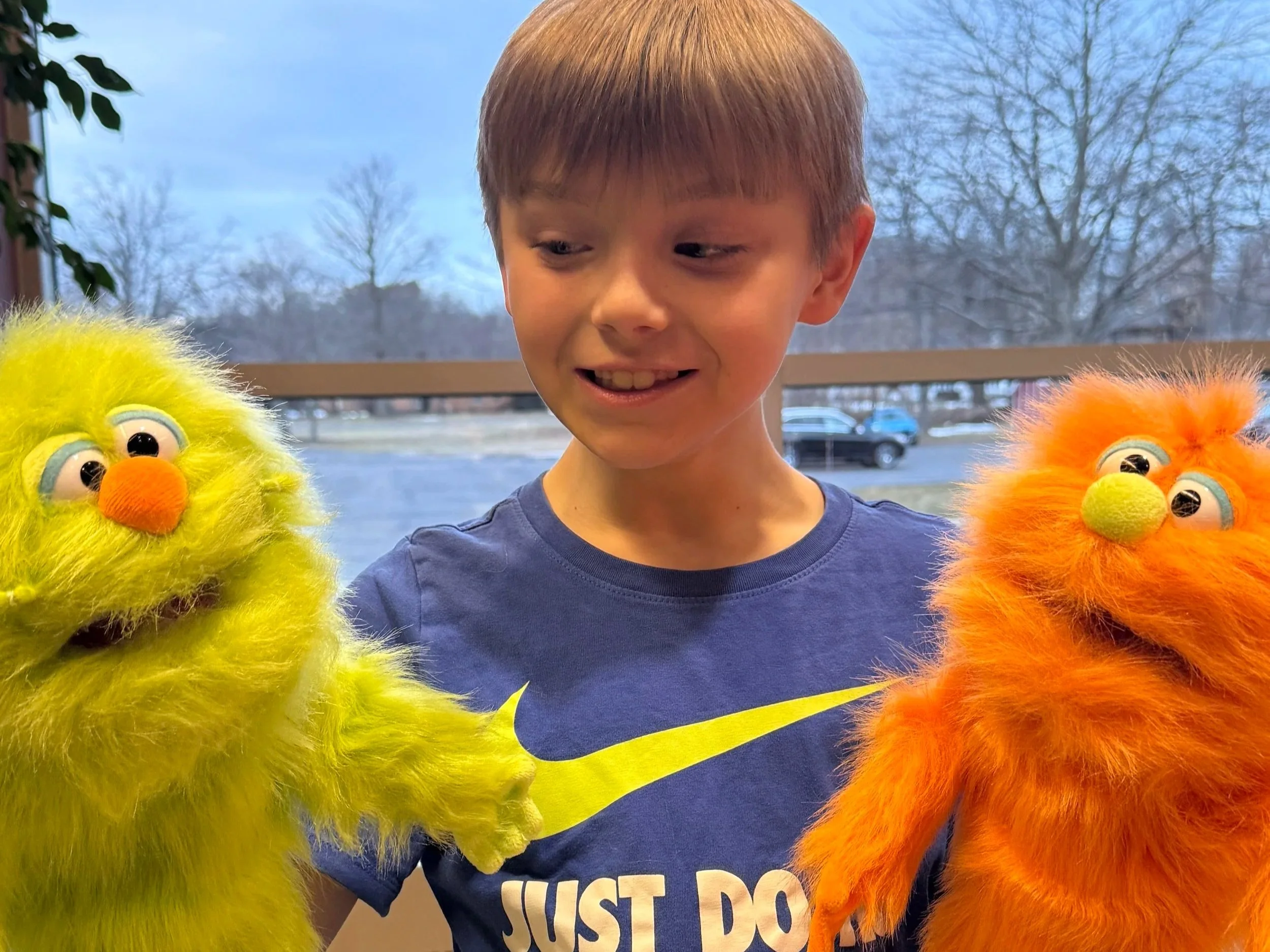
Puppetry also supports learning by turning abstract ideas into something tangible. Lessons become stories, instructions become conversations, and participation feels natural rather than forced. When children are engaged through play, attention increases and information is more likely to stick.
Beyond education, puppetry encourages creativity and imagination. It invites children to invent characters, give them voices, and explore different perspectives. In doing so, children practice empathy, problem-solving, and self-expression without fear of being wrong.
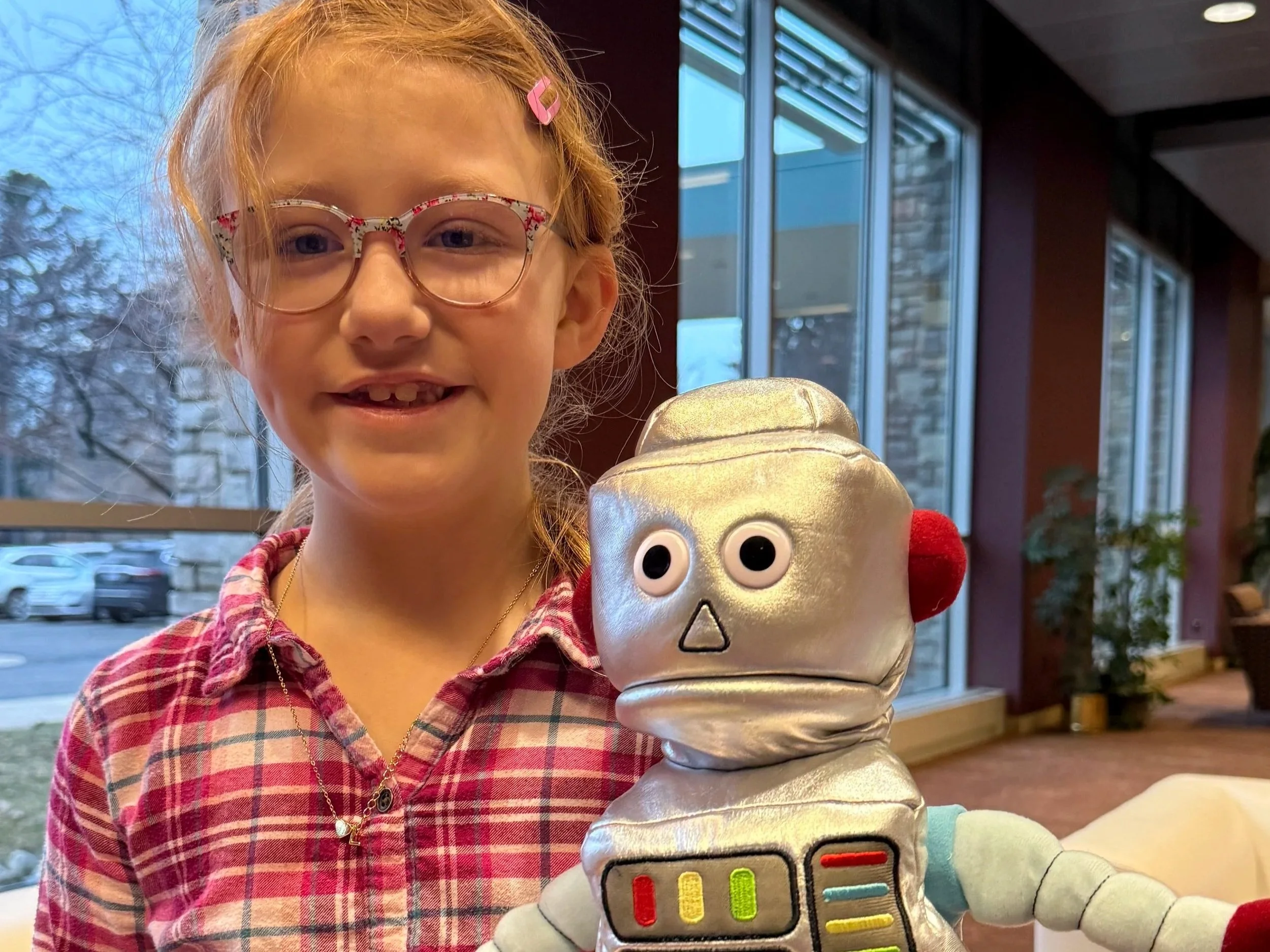
When a puppet feels alive and responsive, it becomes more than a tool. It becomes a bridge between imagination and communication, helping children connect, learn, and grow in a way that feels genuine and fun.
