

How Jim Henson Changed Puppetry
Jim Henson didn’t just make puppets entertaining — he changed how people related to them. Before his work, puppetry was often seen as novelty or background. Henson treated puppets as characters with emotional depth, timing, and intention, allowing audiences to connect with them as if they were real.
One of his greatest shifts was performance-driven design. His puppets were built to move naturally, react authentically, and exist comfortably within a scene. They weren’t simply controlled — they were performed. That focus on movement, breath, and subtle expression gave his characters a sense of inner life.
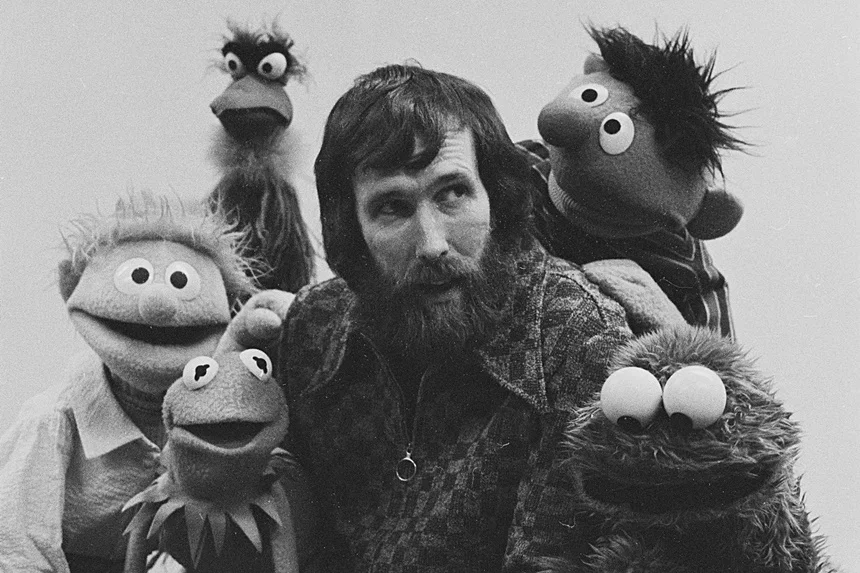
Credit: Inspiring Jim Henson The Saturday Evening Post
Henson also removed the barrier between the puppeteer and the audience. Through television and film, he made puppetry feel intimate and immediate, proving that puppets could carry humor, vulnerability, and complex emotion without explanation. The mechanics disappeared, and the character remained.
Perhaps most importantly, he trusted the audience. He didn’t talk down to children or simplify ideas unnecessarily. His work respected imagination and intelligence, showing that puppetry could be meaningful, funny, and deeply human all at once.
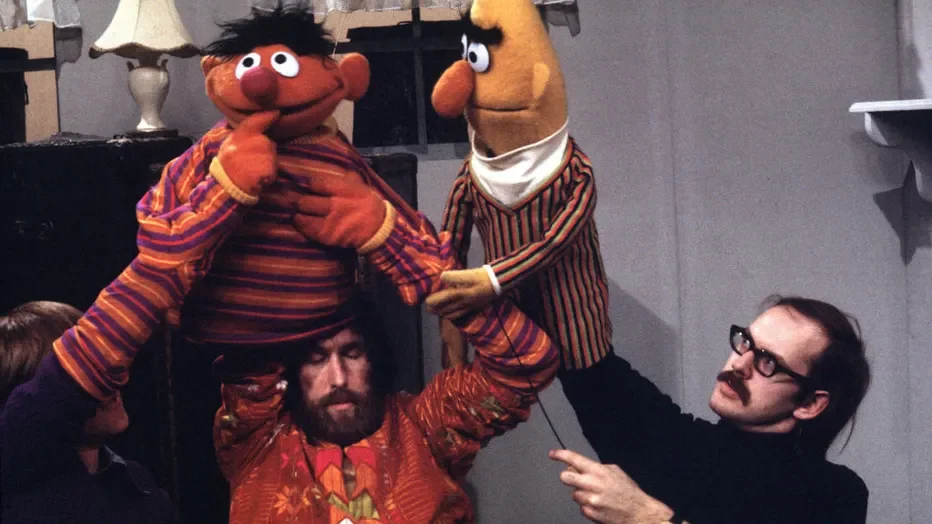
Credit: Live Now From Fox
Jim Henson’s legacy isn’t just a collection of beloved characters. It’s the understanding that when a puppet is designed and performed with intention, people don’t see foam or fabric — they see life.
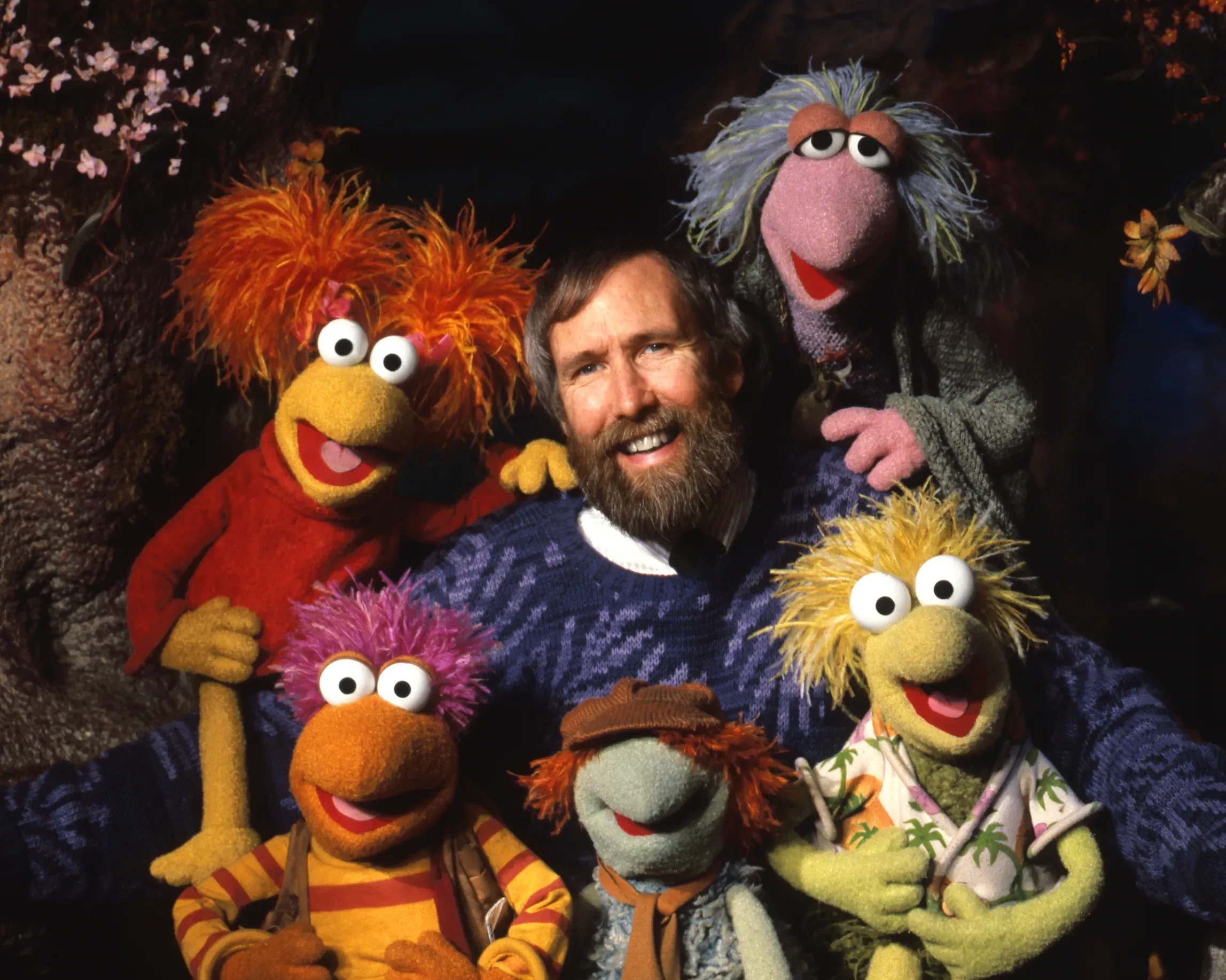
Credit: The New Yorker
