

How to Teach Kids to Build Their First Puppet
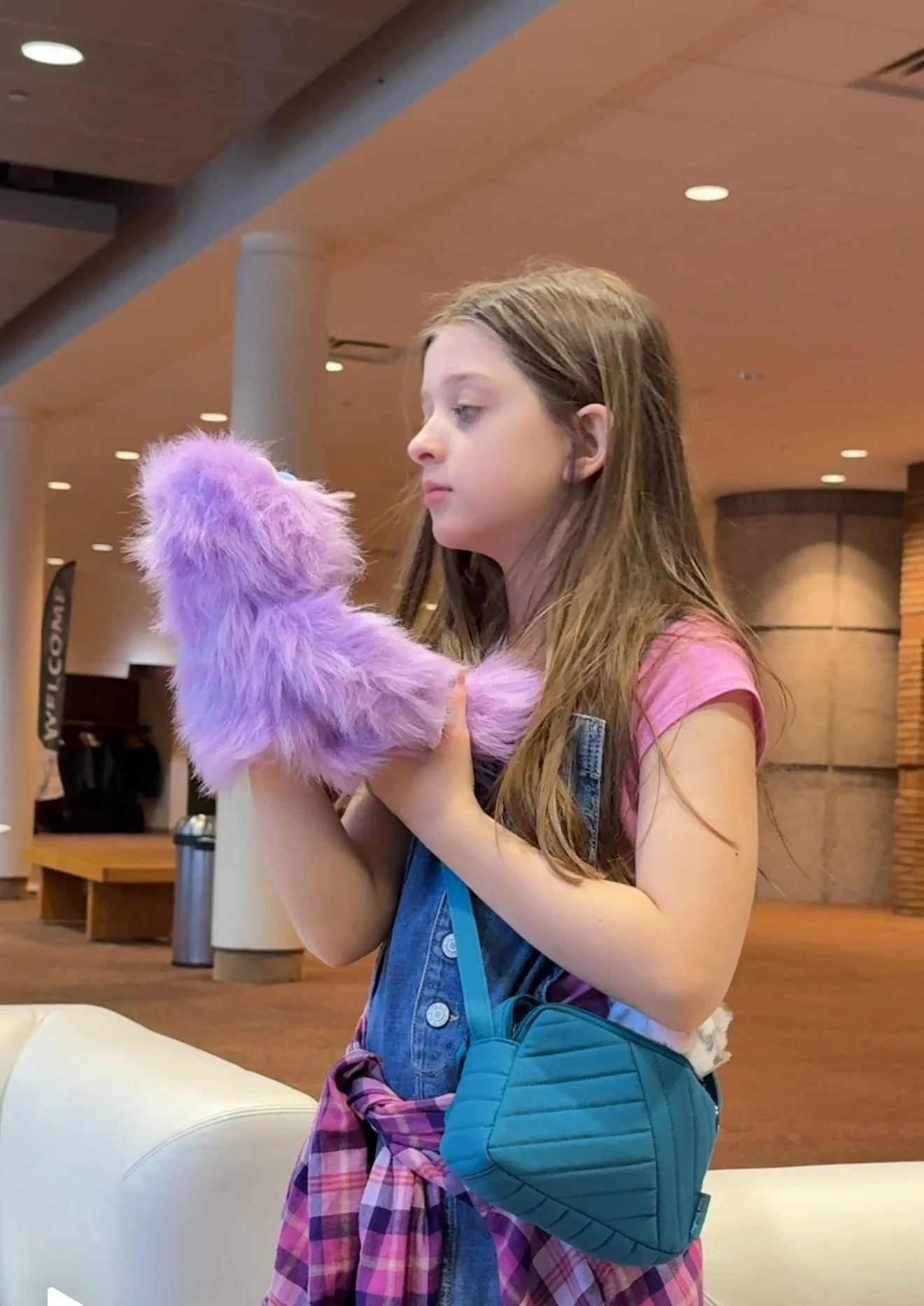
My daughter Brinley built her own puppet, Trixie—an adorable pink monster she instantly fell in love with. One day, after a really hard day at school, she came home upset and didn’t want to talk. I handed her Trixie, and something amazing happened. Instead of speaking as herself, she spoke through the puppet. Trixie told me everything Brinley couldn’t put into words.
That moment showed me just how powerful puppets can be for kids. They give children a safe space to express feelings, share their thoughts, and open up in ways they might not be able to on their own. Puppets aren’t just toys—they’re tools for communication, creativity, and emotional connection. And every child deserves access to that kind of magic.
Teaching kids how to build their first puppet isn’t just a craft project—it’s an experience that sparks imagination, builds confidence, and introduces them to a world where creativity becomes something they can hold in their hands. Whether you’re a parent, a teacher, or a maker who wants to share the magic, helping a child create their first puppet is a moment they’ll remember for a lifetime.
In a world full of screens, puppetry pulls children back into a space where they dream, explore, and make something that feels alive. That’s the heart of why I’m building Puppet Build Boxes: to make puppet-building accessible to every child, no matter their skill level or background. But you don’t have to wait for a kit—here’s how you can start right now.
1. Keep It Simple: Start with Easy Shapes
Kids don’t need complex patterns or advanced materials to feel successful. Begin with simple foam or paper shapes they can easily cut, glue, and decorate. A basic oval head, a simple mouthplate, or a round monster shape is enough to spark their imagination. The goal at this stage is confidence and excitement—not perfection.
2. Let Them Choose the Character
One of the most magical parts of puppetry is character creation. Ask them questions like:
What’s your puppet’s name?
Are they silly, shy, loud, or brave?
What color fur or fabric would they want?
Do they have big eyes, tiny eyes, one eye, or four?
When kids feel ownership over the personality, they instantly feel invested in the build. They’re not just making a puppet—they’re meeting a new friend
3. Use Safe, Kid-Friendly Materials
Kids can build amazing things with simple, safe supplies:
Soft craft foam
Fleece or felt
Pipe cleaners
Wiggle eyes
Popsicle sticks
Blunt scissors
Craft glue instead of hot glue
When materials feel accessible, kids feel empowered to experiment—and experimentation is where creativity really blooms.
4. Demonstrate Each Step Slowly
Puppet-building is a wonderful lesson in patience and process. Break it down:
Shape the head
Add eyes and mouth
Decorate with fur, colors, or accessories
Give it arms or a stick to hold
Bring it to life with movement and voice
Kids love seeing their puppet take shape piece by piece. Celebrate each milestone—“Look, now he can SEE!” “Now she has a MOUTH to talk with!”
5. Encourage Play and Performance
Once the puppet is built, let them try it out. Encourage them to:
Make up a voice
Put on a little show
Act out a story
Introduce the puppet to everyone
Puppetry is about performance as much as building, and this is where a child’s imagination truly shines.
6. Celebrate Their Creation
No matter how simple or silly the puppet may look, it’s theirs—and that matters. Hang their puppet on the wall, take a picture with them, or let them create a name tag or “adoption certificate.” The sense of pride they feel is the real magic.
Why Teaching Puppetry Matters
When a child builds a puppet, something incredible happens. They learn:
Creativity
Problem-solving
Emotional expression
Confidence
Storytelling
The joy of making something with their own hands
This is why puppetry is so important—and why I’m working to create Build Boxes that will make puppet-building accessible to children everywhere. Every kid deserves the chance to experience the spark of magic that comes from making something come alive.
Because every child deserves to build a little magic of their own.
